Long form fiction is a unique animal. Unlike short stories which by definition have a word limit, a series can theoretically go on forever. Ask Wheel of Time readers. As stories become more complex, however, they can get bogged down with crisscrossing plot lines and a cast that needs winnowing. For me, That Book has been book 3.
I wrapped up a first draft of the third book in my series late last night. I churned out those last 6,543 words and hit the back-up button with a happy sigh. It’s been a hard year.
Book 3 (working title) is composed of two sides, like the first two books, that detail two different but interlocking timelines. The modern side of book 3 flew off my fingertips in about six weeks; the historic side? Another year. I ran into several issues that are common in long form fiction.
Transitioning Issues
My protagonist, Meg, has come to the end of one major story arc and is about to transition into her next series of adventures. Book 3 is all about transitions and boy does it have a lot of them. There were characters coming and going, some that needed seeding for future books, some that needed mentioning because they were getting called back to on the modern side of the book.
I also changed story arenas three times in the book which is difficult on a good day.
There are plenty of series out there that have transition issues, or feel as if they are set-ups for the next book in the series. While I eventually come to enjoy those books, it is hard when you’ve been waiting a year and feel like you’re not getting a substantial story. Other storylines feel rushed.
I don’t have a great answer for this, but I’ll get back to you in five or so months when I pull Book 3 out of the bag and do my first edit.
Emotional through lines
It wasn’t until yesterday that I had any idea of what the emotional and moral lessons of Book 3 were going to be. I knew what Meg’s goals were; I knew that she needed to fail over and over; I had no idea what she was going to learn from that failure, or when she was going to learn it.
In stand alone novels we measure character growth through their narrative arc and their moral failure coming to resolution. In a series with a constant protagonist, we still have those narrative arcs, but we need a second longer term arc that keeps the character feeling relatable and—more importantly in my opinion—keeps an author from recycling plot points and stagnating their character. (Think a couple having the same argument or misunderstanding over and over—looking at you Outlander).
Sometimes an author knows what the conflict of the book is and the puzzle piece in the larger picture and sometimes you just have to uncover it as you go. Like any kind of pantsing though, you can end up with a lot of pages that aren’t relevant to the plot, or spend long hours staring at the ceiling trying to figure out where to go next.
Boredom
My favorite part of writing is figuring out what comes next. I am often shocked by what I type, as if it is coming out of my fingers before it registers in my head. Secret admission time? When it comes to short form writing, I am a solid pantser. I’ll take a prompt and just see where my fingers take me.
Story Building is my compromise with longer form fiction, but by the end of a trilogy all those loose ends and transitions and characters are far too much for my brain to keep track of and my Scrivener doc notes section is chock full of bullet points that need to be worked in to whatever chapter I am writing. Bullet points are boring. Sure, I end up with dialogue and setting work to do, but the plot itself has already been laid out. Boring Boring Boring. (Not to read back, just to write).
Now thankfully I love editing and Story Crafting as much as I do writing that first draft, but my brain is ready for a break from Meg’s world.
Other Projects
I have a strict personal rule that I don’t start new projects until my last one is done. But I make exceptions for things like contests or submission pieces that are one and done. I also do workshops a couple times a year and like to have new material. There is also this blog thing I do….In reality a good half of the writing I do is for things unrelated to my current long form project.
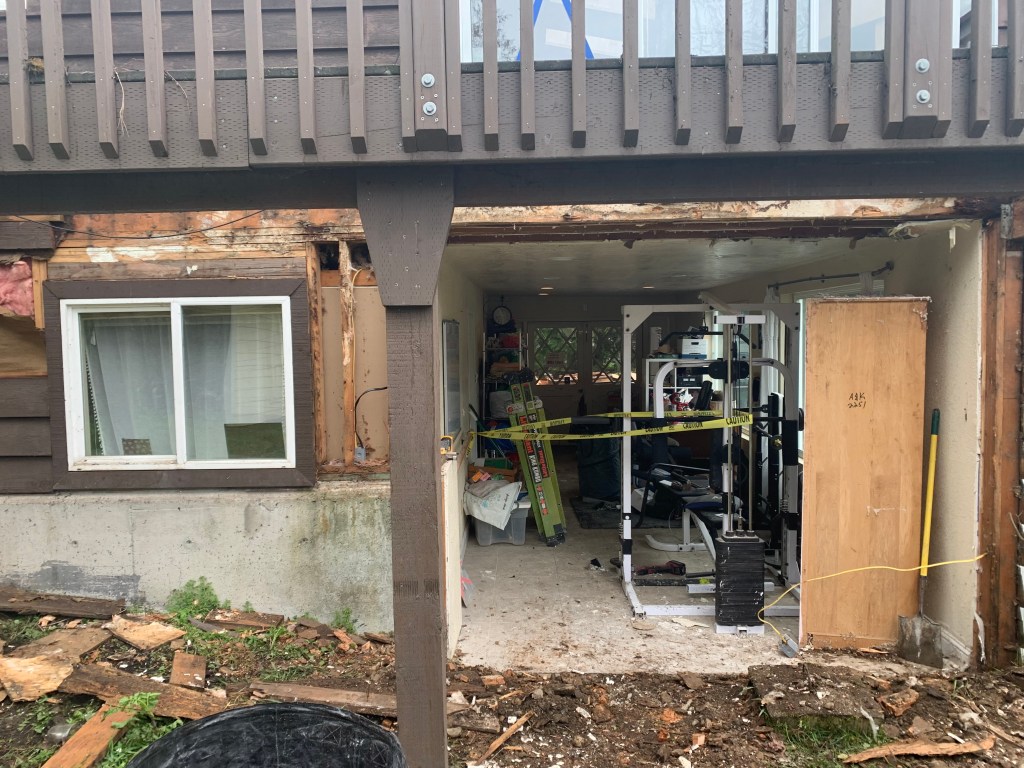
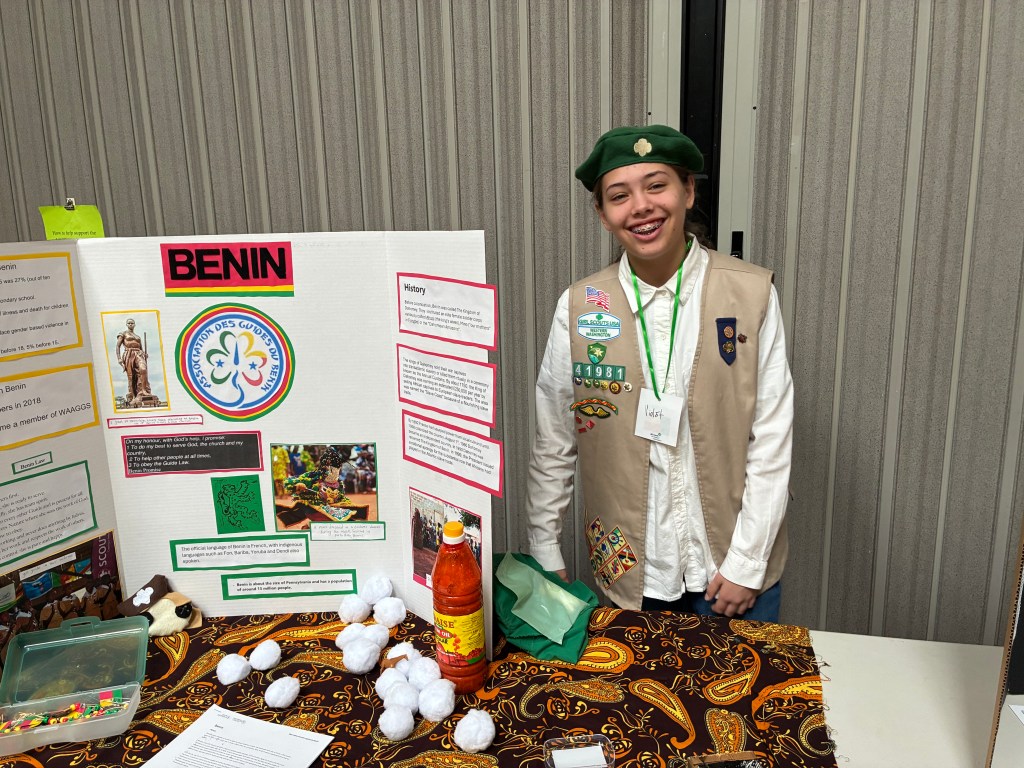
Writing isn’t the only thing that is distracting. I co-organized World Thinking Day on Saturday. I have six kids home for spring break at the moment, along with Easter, and Pepper’s birthday party coming up next week. Our tiny deck project turned into having a wall of the house replaced due to rotted wood, and our sweet dog, Simone, passed away on Friday.
Some weeks I don’t get a lot of writing done. Some weeks I get nothing outside of my blog posts written. It’s okay. It’s the reason I keep track of my writing in a log, so I can look at the big picture with accurate lenses vs. my negative self-talk glasses (which are very creative in their interpretation of facts).
So Book 3, That Book, is finally in the bag. What am I doing next? Writing this blog post at the moment, thank you very much. I am working on my SquatchCon workshop activity pages as well, and finishing up the final drafts of my Canva presentations—I found three slides where I stuck titles on but didn’t change any of the random stuff on the templates, so that was exciting—and I am writing a glowing cover letter and resume for a job I’m applying for.
Creative writing wise, I already have a project in the bank, and another on the back burner, both stand alone novels that fall into a more commercial category than my series. And of course Book 4 is in the research phase, but Meg and I need to set some boundaries and take a little vacation from each other.
Spring is springing around here folks, so come back in April for some flower and plant themed writing content! Happy Writing this week!
 Mamasquatch the Writer
Leave a comment