Sometimes I overthink deeply. Sometimes I have overthinking spaghetti brain. This was more of a spaghetti brain week. I’ve been putting together my workshops for SquatchCon and part of my From Idea to the Page: Storybuilding for Teens class involves world building. Now, I only have 90 minutes for this workshop so I’ve had to edit to get to add much about world building at all, but I decided to take this weeks blog and spaghetti my way through some elements of setting/world/arena that I feel don’t get the love they deserve. Buckle up!
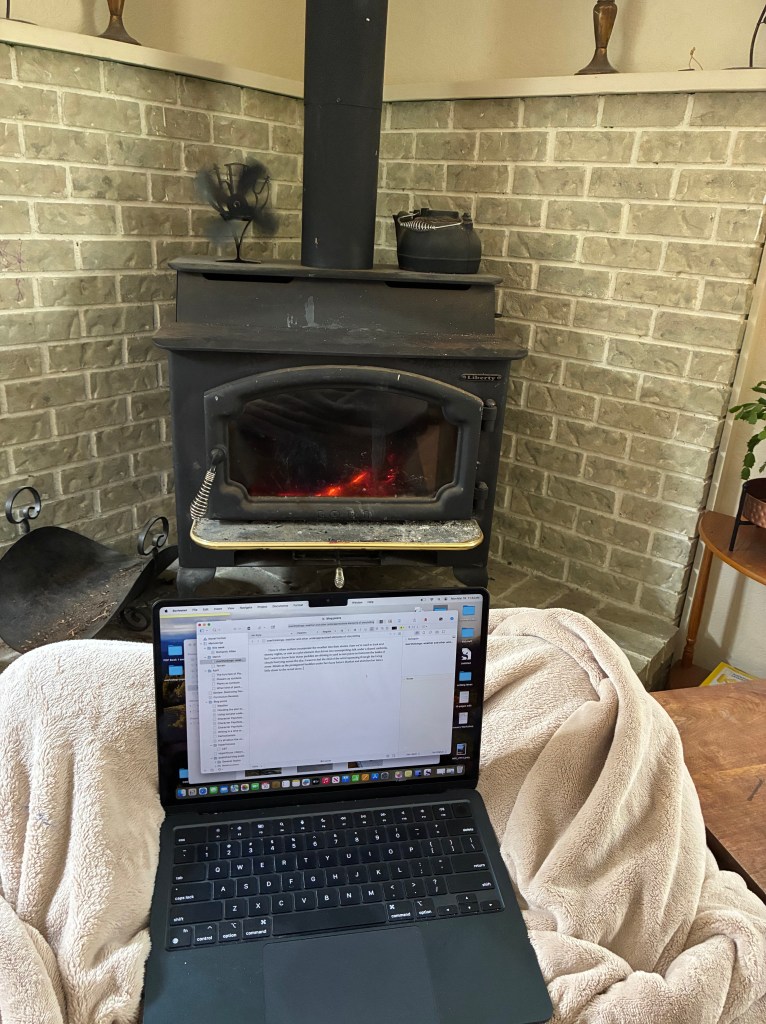
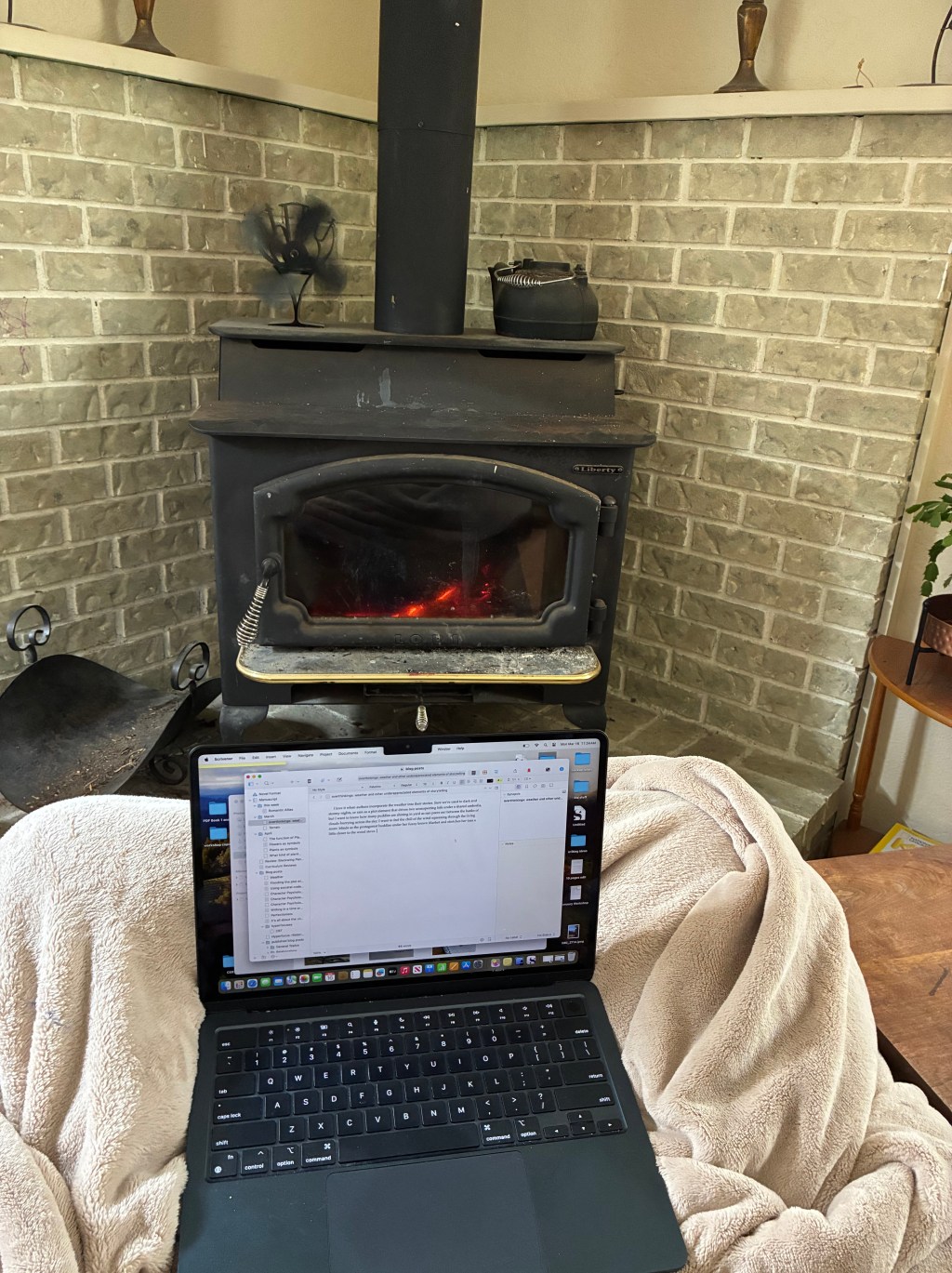
I love it when authors incorporate the weather into their stories. Sure we’re used to dark and stormy nights, or rain as a plot element that drives two unsuspecting folk under a shared umbrella, but I want to know how many puddles are shining in yard as sun peers out between the banks of clouds hurrying across the sky; I want to feel the chill of the wind squeezing through the living room blinds as the protagonist huddles under her fuzzy brown blanket and stretches her toes a little closer to the wood stove. Weather is a fascinating element that can function as a character, plot, or as part of the setting—sometimes all at once.
(Insert blanket photo)
In historical fiction one rarely reads about the great thinkers of whatever moment it is on the page, and yet ideological movements like religious shifts as seen during the rise of Puritanism, Quakerism, or the Protestant Reformation; The Enlightenment, as well as the rapid decline of the movement after The Revolutions (American, French, and Haitian); or the rise of any major global political movements like Communism or Capitalism shape nearly every event in a historical plot. Why is Susie Tudor concerned about her lack of sons? Well the current king just made some new rules about marriage…
Readers don’t actually have to read a summary of Joshua Reynolds beliefs on the relationship genius and taste—although making characters more obnoxious by having them wax on about minor philosophers is something in which I take great joy—but they will sense a cohesiveness between real history and the history an author is recreating on the page when the ideologies match.
Speaking of cohesive—and I do, frequently—Do you know how long it takes your characters to get from point A to point B? What if they are riding a bike instead of walking; do they take the same route? The first time I read a certain time traveling Scotland book I became overwhelmed with the 100 page journeys that would take place, with miles of road ridden and plenty of plot in between, only to realize that in the author’s mind—and on the page—it had been three days, or maybe a week. It was make more baffling because time was marked by a pregnancy which led to a lot of questionable math on my part when I’m sure the author would have preferred me to be trying much harder at slogging through the plot.
In comfy shoes I walk about four miles an hour on well maintained trails. I go a lot slower if I have kids with me or I’m looking at birds; slightly slower if I’m listening to podcasts; much faster if I have to pee. Be aware of transportation time. This doesn’t mean you have to narrate entire bus drives in real time. “The shadow buildings stretched farther across the road as the bus stops passed one then ten then fifty after another.” Works fine.
What kind of job might your character have? In Puritan New England, women had very few outlets beyond the home—first their parents’, then perhaps an employer’s if they were hired or indentured out, and finally their husband’s. There were opportunities to contribute to a husband’s business, and widows had more freedom than unmarried women, but until cities became more prevalent in the colonies, home was it.
Why does this matter? Well, remember that ideology impact thing from a couple paragraphs ago? When women stepped outside the cultural norm they were at risk for things like witch accusations, or fines and whippings from the local magistrate. So why does a character need a job anyway?
Giving a character something to do is a great way to give them a reason to interact with the world around them, including other characters. Work tension is also a handy way of injecting more complexities into your plot. That said, jobs should make sense to your world. Obviously you aren’t going to have a fishing fleet in the middle of the desert, but you might have a cowboy operation, or mineral mining? How would your character fit into those communities? How would those jobs impact the world of your story?
As a fiber artists and a history nut, I’ve been known to show up at random museums around the world just to try and get a glimpse at historical costumes in person. You better believe I am counting stitches and trying to get a peek at the underside of seams. I love reading books and watching shows where the clothing is described in detail. Not everyone’s cup of tea.
For much of history clothes said a lot about a person. Now we are in the post covid pajama era, which I don’t hate. (To be fair, I live on what is essentially an island where people come to do outdoor things, wearing fleece and stretchy pants; things might be different in the outside world.) On the page, an author can still use clothing to transmit information about characters to the reader.
“Lars scratched a bump on his knee through the ragged hole in his pants. Searching around the hem of his stained tee shirt for a clean spot, he wiped the grime from his face and went back to digging.”
“There was glitter stuck to her skin. There was always glitter stuck to her skin, if not from the strawberry body gel her mother always gave her for holidays from the generic princess dresses her boss ordered from the party store. She tugged on a red polo shirt and got ready for her second job.”
“The man tightened the white collar a notch to show off his Adam’s apple. His black button down fit over the pecs he had been crafting for months. God’s gift, he thought and smirked into the mirror, shooting himself some finger guns.”
And finally.
What about technology? Setting a story in the modern day means dealing with technology. Sure, you could strand someone on the side of the highway with no cell service six months ago, but now? You have to make sure they don’t have T-Mobile, or they have access to satellite calling. There’s a murderer outside who cut the phone line? Okay, we haven’t had a phone line in fifteen years. And they’ve blocked cell service? Well the neighbors all have ring cameras so just try and get away with it.
I have a modern-ish story waiting in the wings and while in my head I have an actual date range that it is taking place, I will never put those dates on the page. Unless it is specifically related to the plot, I recommend keeping technology general; it helps with the shelf life. When a character pulls out their Blackberry or logs on to their MySpace page it puts them in a very specific place in time.
NOW! In historical fiction, this is something you use! I opened one modern story with a character watching Hilary Clinton running for president to set the timing. Big news stories that are easy to google are a great way to anchor your world. But back to technology, write in a way that won’t be distracting and pull the reader off the page into a lovely memory about their sturdy flip phone that never required updates or spied on them.
I don’t have a writing exercise for you this week. Maybe just stare out at the March gloom while the rain pelts your metal roof and reminds you of all the reasons you would consider moving to Tucson.
 Mamasquatch the Writer
Leave a comment