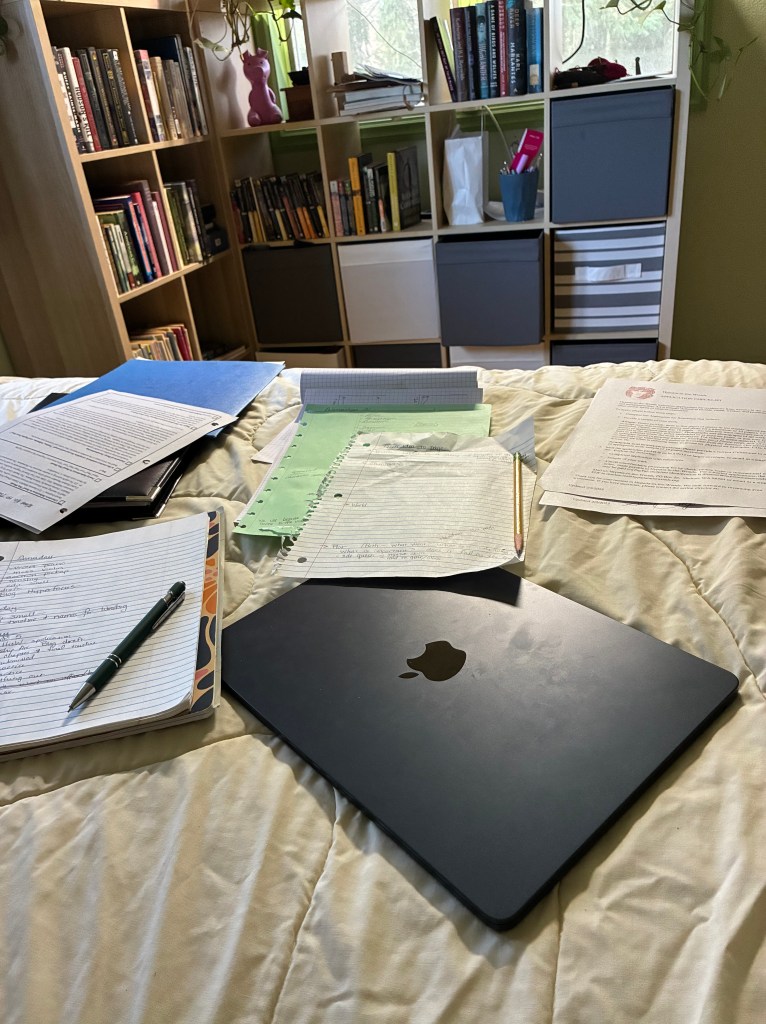
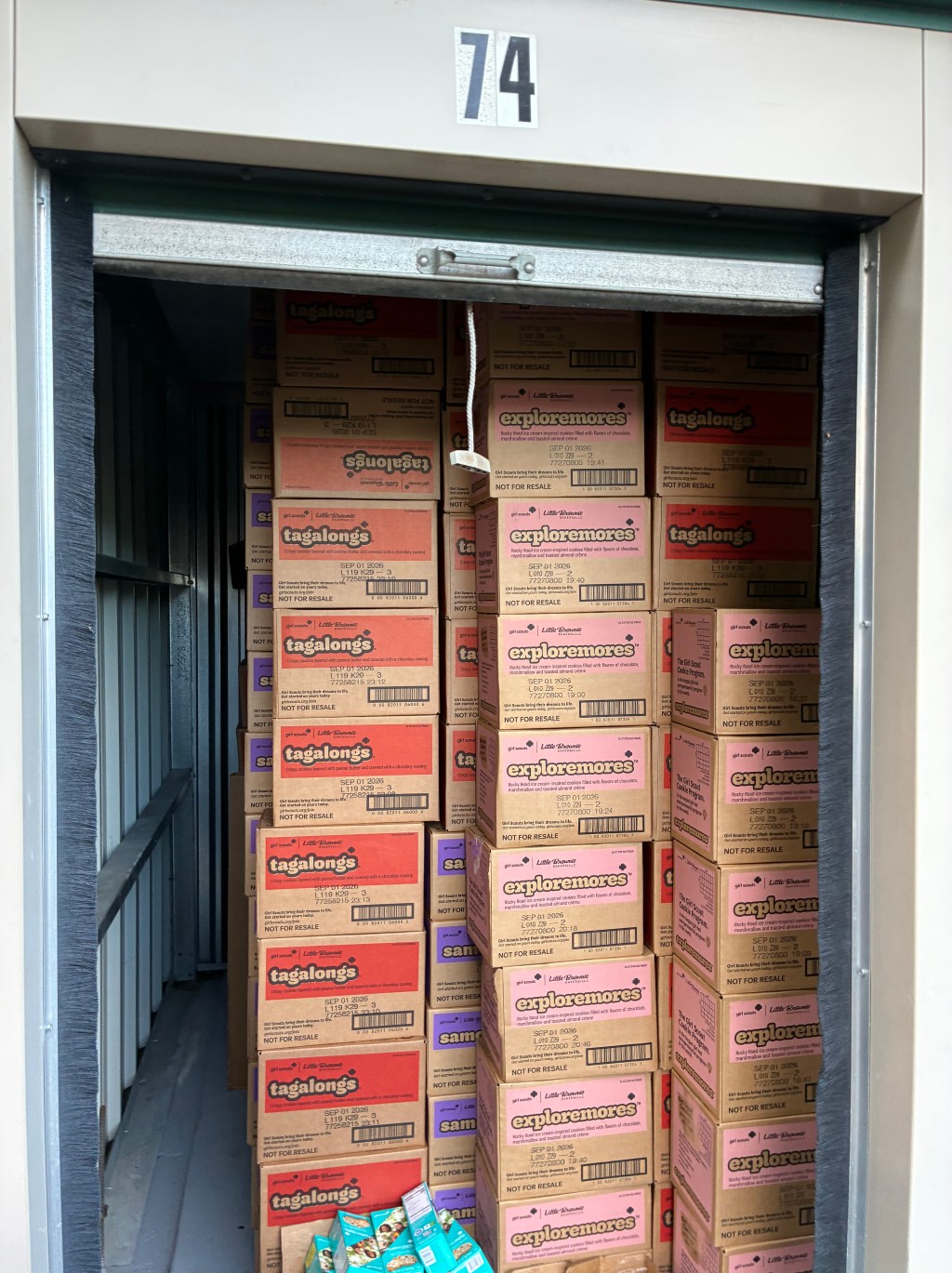
Sometimes a week is so busy that it’s hard to pick out what I’ve been Hyperfocusing on. This week was something of a dabbling week. I did some woodturning, helped get Girl Scout cookies sorted, crocheted a couple of hats, attended a lovely strings concert, went on a date with my lovely husband, and Overthought the structural dynamics of literary relationships quite a bit. I also did some research.
Last Sunday I listened to a great podcast on Lord Dunmore and his contribution to The American Revolution. This set me on a different path for the end of the novel I am currently working on. The plot points are generally the same, but the setting and events have a different flavor. I don’t love a rewrite but this was more of a timeline rewrite which feels more like doing an extra outline.
As I researched Dunmore I was surprised to find out what a skeeze-ball George Washington was. After the Seven Years War, King George tells the Indigenous folks of the region “Hey, we stop fighting and my people will stay on this side of the Appalachias and you can have that side.” Well this infuriated Washington and many other Virginia planter/enslavers who had purchased land in the Ohio valley.
Tobacco sucks all the good stuff out of the soil after a few years and to keep up their economic profits planters needed more fresh land. But it wasn’t just the big planters who didn’t like George’s agreement. Small farmers began making their way over the mountains and squatting in the Shawnee and Mingo territories.
Over the next decade or so there were back and forth clashes between the rightful inhabitants and the squatters, while the big planters cajoled Lord Dunmore into pressuring George into breaking his treaties. To be fair, Dunmore also enslaved people and was investing in land in Virginia, so expansion was also likely on his mind.
In 1773, Daniel Boone was leading more squatters into the region and his son was killed by the locals who didn’t want them there. Then in 1774, some white men massacred Indigenous people at Yellow Creek. More retaliation happened and this time Lord Dunmore marches out the Virginia Militia. Long story short, Virginia doubles in size; George Washington is happy; The Shawnee and Mingo people lose their hunting grounds.
Dunmore returns to Virginia a hero—for about five minutes—until Patrick Henry gets a little too rowdy and the governor empties the armory of gunpowder. Things go downhill from there until Dunmore and his family flee in June of 1775. They stick around the area in a ship, hoping things will calm down, but spoiler alert they don’t. In November, Dunmore says “Hey people enslaved by Patriots, if you come fight for me you are free! I have a whole regiment just for you!” And that is when participation in the Revolutionary War is really sealed for Virginia.
A lot of my open tabs on my computer are to articles from Colonial Williamsburg. If this topic intrigues you I recommend heading there first for quick, yet nuanced reads on all things Virginia and the Revolutionary War.
As for me and my house, the kids brought a cold home last week and John and I are knee deep in early symptoms. That said, I googled two articles on mitigating cold symptoms and will report back on the results.
Happy Researching folks! Or whatever else you might be doing this fine winter week.
 Mamasquatch the Writer
Leave a comment