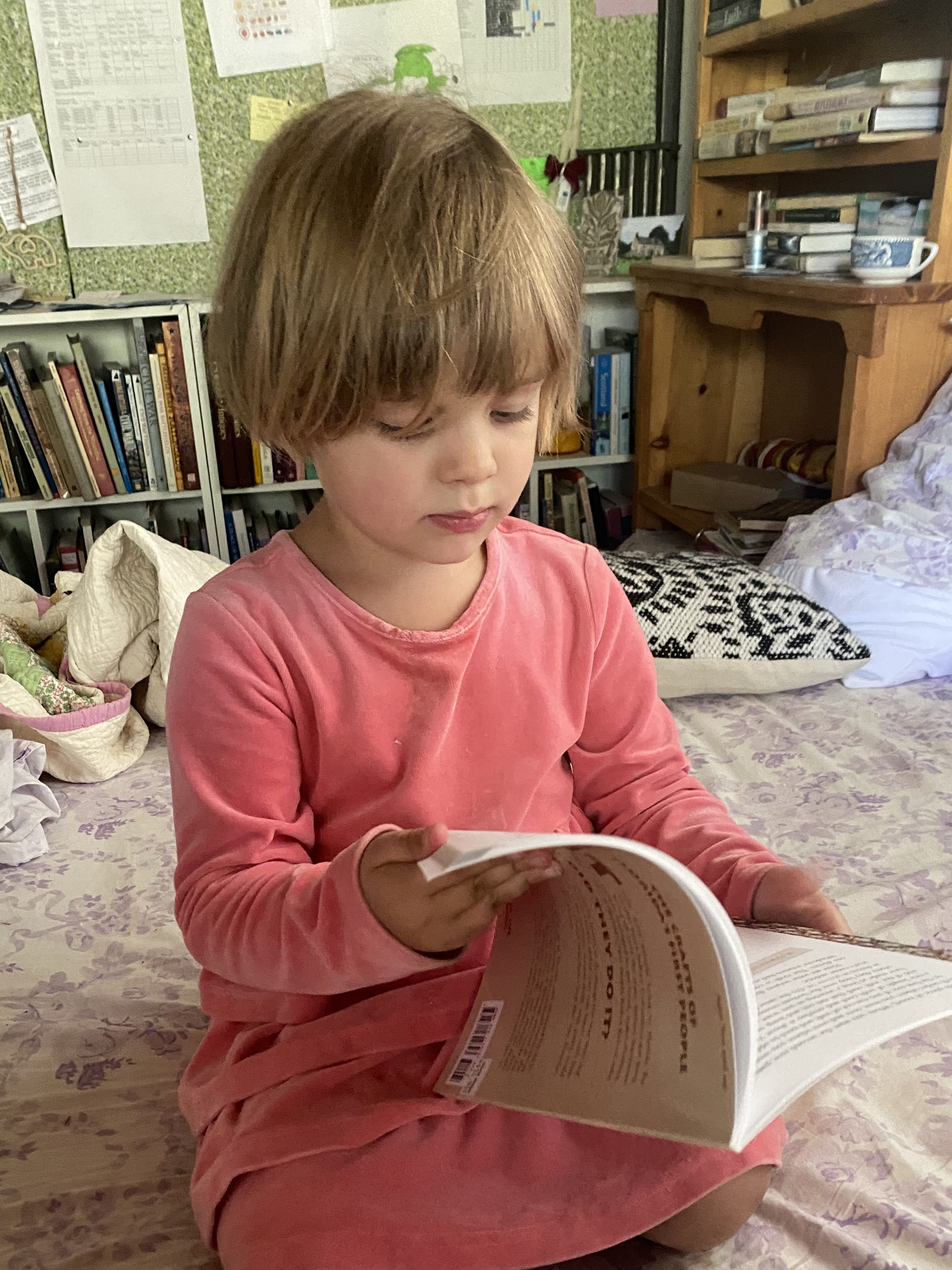
One of my first memories as a child was sitting in a melted together feed sack play house that hung from my bedroom ceiling and reading stories out of a children’s story book. The two that I remember specifically involved one child losing their red balloon—very traumatic— and two other children sitting in a car outside a department store waiting for their mother and getting the car horn stuck blaring. We moved from that house when I was three and I don’t know what became of that book, but I have been a reader ever since.
People often ask me how to make kids read and I, not quite joking say, “don’t give them tech.” Of course it isn’t as simple as just that, though it helps.
Visually based media is like jello for the brain: it goes down easy and it gives you a sugar high. Unlike print media which requires decoding and processing, or auditory media which still requires imagination and processing, watching a video clip activates all sorts of places in the brain whether or not processing is happening or not. Brain jello. Because humans are programmed to like easy stimulation (all the addictions anyone?) Kids will generally choose brain jello over the work of decoding, imagination, and processing.
We don’t let kids only eat food jello (unless they are sick) but it can be part of a balanced diet (especially if it’s made from natural gelatin and fruit juice) and the same can go for visual media. My kids watch tv, play video games, and do a lot of computer programming and design—both as part of their education and for fun—but it is part of a balanced schedule.
Okay! With that big factor out of the way, what else makes a reader?
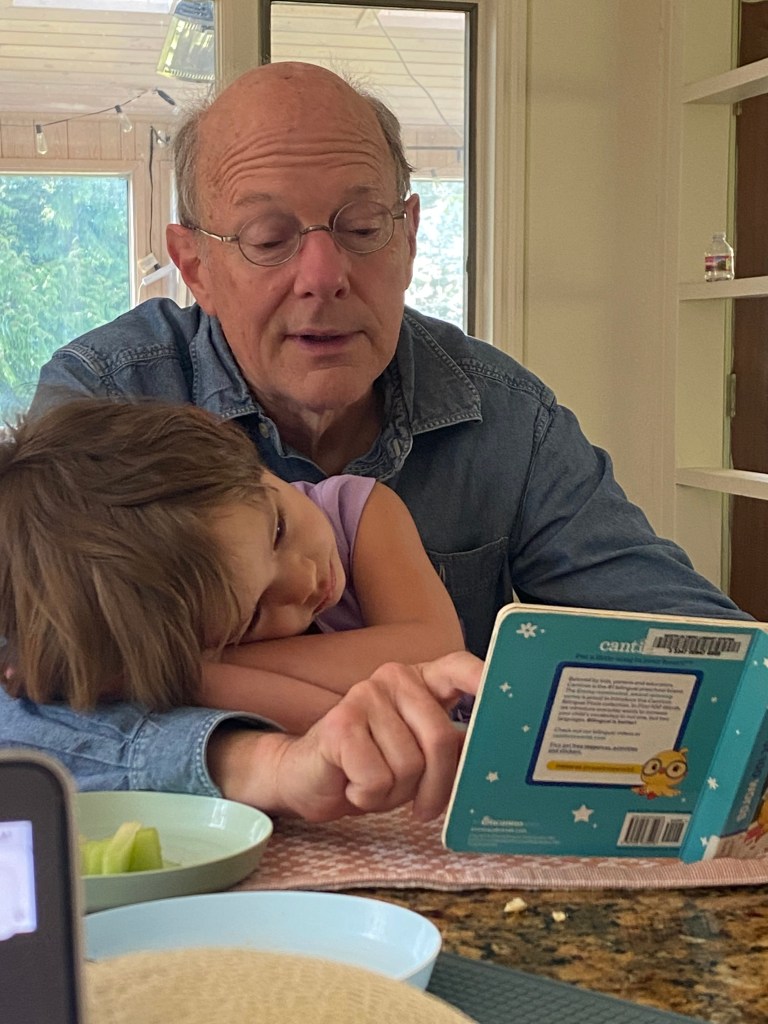
1. Start early-but don’t make them read. What? Reading aloud to kiddos from the earliest days is one of the top three factors in high reading scores later in life (which is a dubious metric to be sure but more on that in a few paragraphs). More importantly, reading aloud to a child helps with language development, security and bonding, and confidence with books. It normalizes the reading process.
Here is the kicker: Don’t force your kiddo to read during read aloud time. If they want to, great. If reading aloud is part of school homework or homeschooling, then make that a separate time. The moment that reading aloud time becomes work, it loses the magic.
Now to be totally truthful, I hate reading aloud. My brain processes at a very different speed than the words coming out of my mouth and everything gets tangled up. I actually do a lot better reading upside down or when there is a cadence to the book, but I really struggle with reading aloud as a skill. Thankfully, my husband loves it.
Hubby John can be found several times a day with kids around him and a stack of books. He has every Gerald and Piggy, Dogman, and Pout Pout fish memorized. He has read Wind in the Willows to at least three sets of kids in the past 15 years. He does voices and inflections, which means that every one of the kids does voices and inflection when they read aloud. The man is a reading saint.
If you also struggle with reading aloud, and happen to not have a reading saint in the household, Youtube has many modern books being read aloud, and audiobooks are a wonderful option as well.
2. Yes, audiobooks count as reading. I can’t tell you how many people I have heard preach otherwise. Yes, technically audiobooks do not require visual decoding and that is a huge component in reading. However, experts will tell you that a person can be able to decode words and still be functionally illiterate because they can’t comprehend the words put together.
A hack I point out when I discuss encouraging creativity and storytelling in kids is to separate the components of an activity. Audiobooks allow kids to consume stories beyond their decoding abilities—which generally develop significantly behind comprehension. My four year old can relay the plot of The Hobbit, but is still learning how to put letters together into sounds. By removing the barrier of decoding, kids can move forward in their comprehension (understanding what happens, when and why, to whom, etc.) as well as delve into the deeper meaning of the work.
As a family, we often listen to audiobooks on car trips. I sometimes choose books that have cultural currency that maybe the kids wouldn’t pull off the bookshelf on their own; sometimes we re-listen to Percy Jackson or The Chronicles of Narnia. Whatever the book, we discuss it as we go—my fourteen year old rolls his eyes but we had a two hour conversation tonight about the character arcs in movie he just finished so something is sticking.
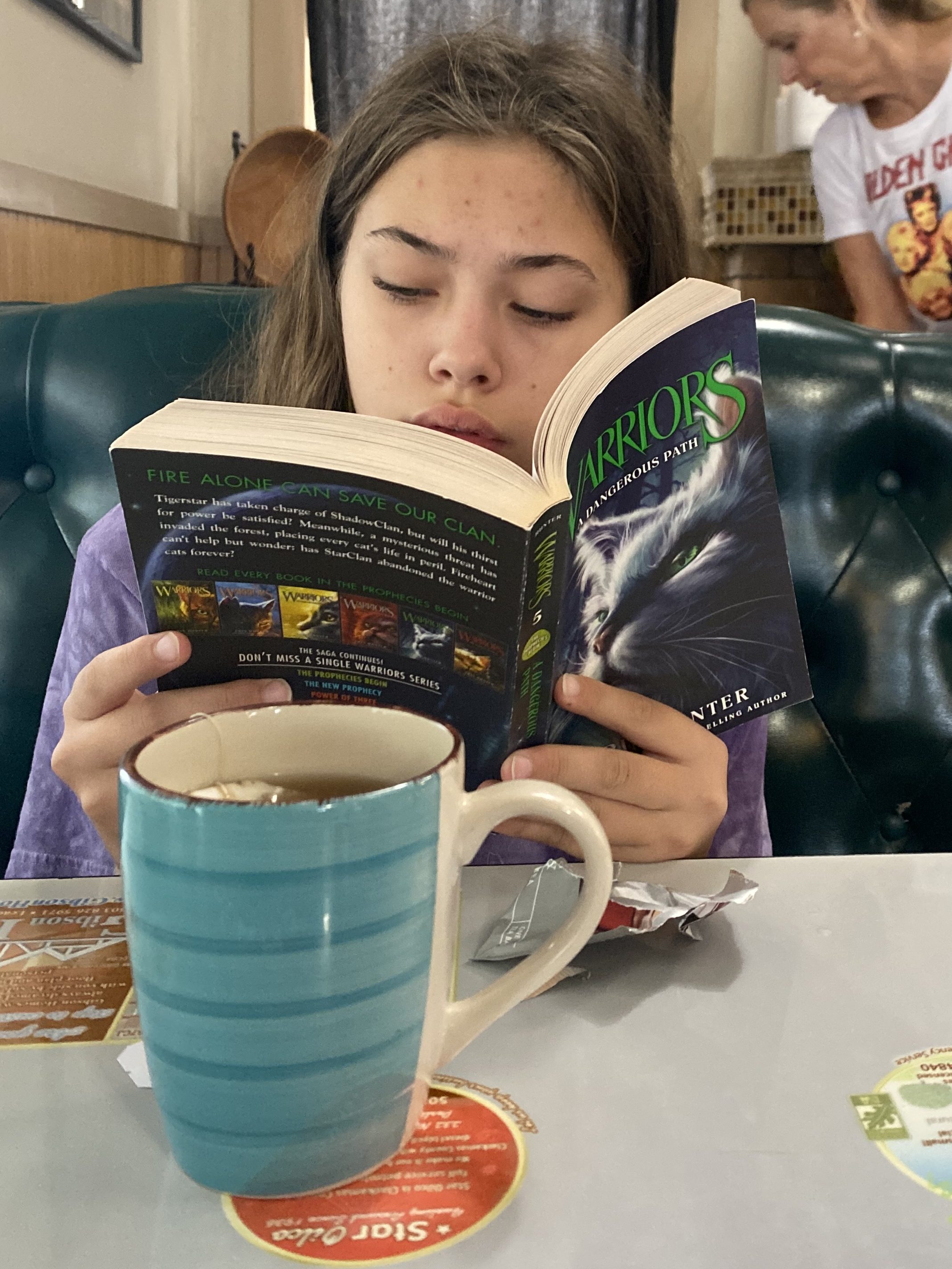
3. Don’t make a child who reads for fun do formal reading comprehension study.
Caveat here: Some brains don’t process on the same schedules as others. Some milestones are never going to be met. Some kids are never going to read, or comprehend; some kids are going to be “behind” or need formal intervention. There is nothing shameful or wrong about any of this. That said, interventions work better when kids are young (neuroplacticity). Formal comprehension work under the care of a professional as an intervention of a diagnosable disorder or cognitive deficiency is very different than what the average school kid is being exposed to.
In one of my education classes in college, the professor mentioned that on average, kids stop reading for fun in third grade—when formal literary study begins. You can tell I graduated a few years ago because now schools are pushing formal study as early as kindergarten. The quickest way to ruin reading is to make it work. You know what is work? Reading a stupid decodable about Henry going to a farm and then having to take a six question quiz about in what order Henry saw vegetables.
First off, who cares about Henry?! He doesn’t have a flaw, he doesn’t have a character arc. We don’t know why Henry is even at the farm! And guess what? Zucchini and Apples aren’t ripe at the same time— certainly not during a season when those fluffy white sheep in the background still have a fleece!
While kiddos might not be able to voice these objections in these words, when I am subbing in the local public schools and have to work on comprehension lessons I often hear “It’s boring.” “Why do we have to do this?” “I hate reading.” These same kids happily pull books of their choosing out at lunch or if they finish their work early.
The problem with reading comprehension work is that the questions must have one correct answer that are preferably done on computer so that there are instant results . Heaven forbid we allow teachers the time or autonomy to have meaningful discussions that meet the needs of their students!
To be fair, reading comprehension comes from a reasonable place. Literacy levels have been plummeting, especially amongst certain socio-economic groups (another top 3 factor of literacy outcomes is parent income and education levels). Absurdly low education rates in some states led to the No Child Left Behind legislation of 2000, and federally mandated testing. Comprehension programs are a way to ensure that kids are hitting benchmarks before the big tests.
Theoretically, a child who scores low on comprehension tests can be provided with interventions and over time, gain proficiency.
Theoretically.
Reality? Most of the time repeated failure doesn’t endear one to an activity. Especially when the activity is boring to begin with. Toss in underfunding and a lack of people willing to work with struggling students for minimum wage, and more often than not kids just continue to not read well.
So what do we do instead of formal reading comprehension?
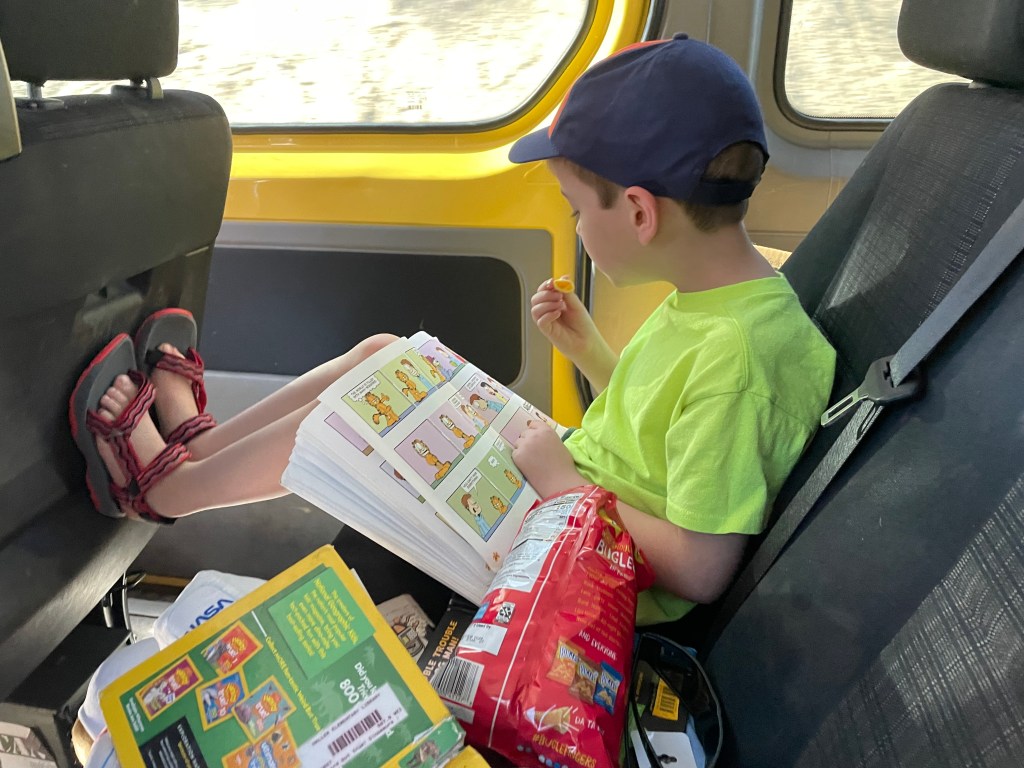
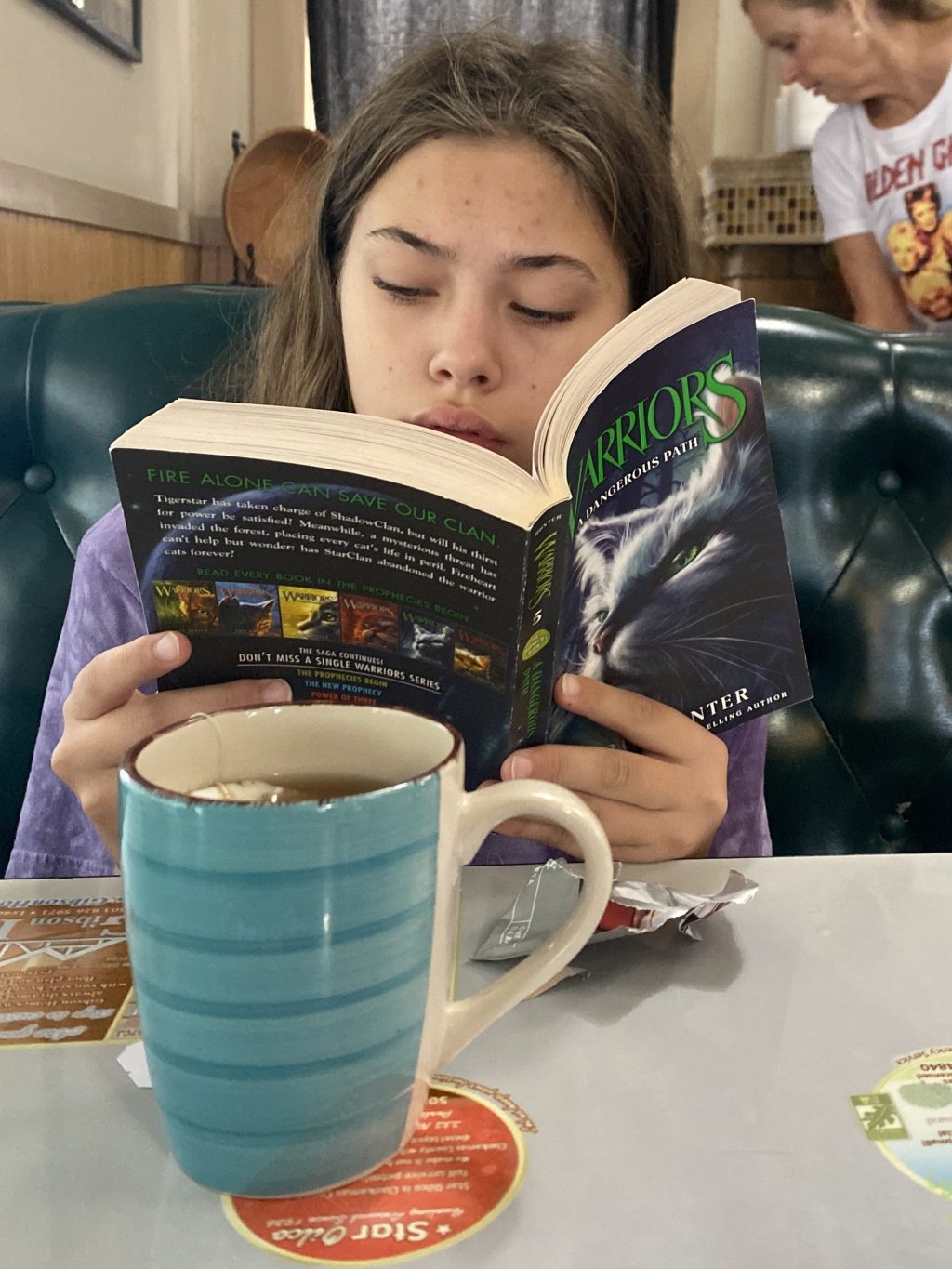
4. Comic books and Graphic novels are the best! (If you like that sort of thing). Five of my kids learned to read from comic books or graphic novels so I do have a soft spot, but really having a wide variety of books available and letting the kiddo choose what they want to read is a huge first step in reading comprehension. If they are reading for fun, they are understanding it—even if “it” is a one frame Garfield comic.
The second part of informal reading comprehension is to talk to kiddo about what they are reading. Basic questions like, “so what is that book about?” Or “What makes the character interesting?” Or “what is different about their world?” Lead to deeper discussions. Whatever they say is valid (unless it is “I don’t know” or something similar), even if it is a totally different interpretation that you might have. Just keep asking open questions and you might be surprised at how the reader got to their conclusions.
5. Don’t focus on tests.
Standardized tests are good for one thing: seeing how well a child can take a standardized test. One could also claim that they are good at making children feel inadequate…
This doesn’t mean that tests in general are bad, in fact, professionally administered assessments can help to diagnose learning deficits, mental health and neurological issues, and other important things that can affect a person’s ability to function in an academic setting. But even if a kiddo needs these kinds of tests, it should be stressed that they are a means to an end, not a metric of success or inherent worth.
AND FINALLY!
If your kid still doesn’t like reading, don’t force the issue. Sure you can start them playing D&D and casually leave the player manual around. Maybe you buy books about their favorite video game and slip them into the mesh pocket on the back of the car seat and turn on a podcast about whale noises for the next ten car trips. So many of my friends weren’t readers growing up, then came to a different phase in their lives and now have stacks of books everywhere. Some people never catch the habit. Worst case scenario: you aren’t competing with three other people in the house to read the latest Dresden Files.
Final Final Note: I have a general rule that if my kids want a book, I will find it for them. Sometimes this is through the library; usually I buy used; occasionally I buy special editions new from our local bookstore, but it is important to me that each kid has their own library of treasured literature(Final top 3 indicator is # of books in the house). It’s amazing to see how many times one of the older kids has collected an entire series and then suddenly that is all the next kid down wants to read.
Final Final Final Note: Modeling is huge. Let your kids see you reading. Let them see you excited about going to used bookstalls and finding treasures. Let them catch you crying or laughing out loud at something on the page.
 Mamasquatch the Writer
Leave a comment